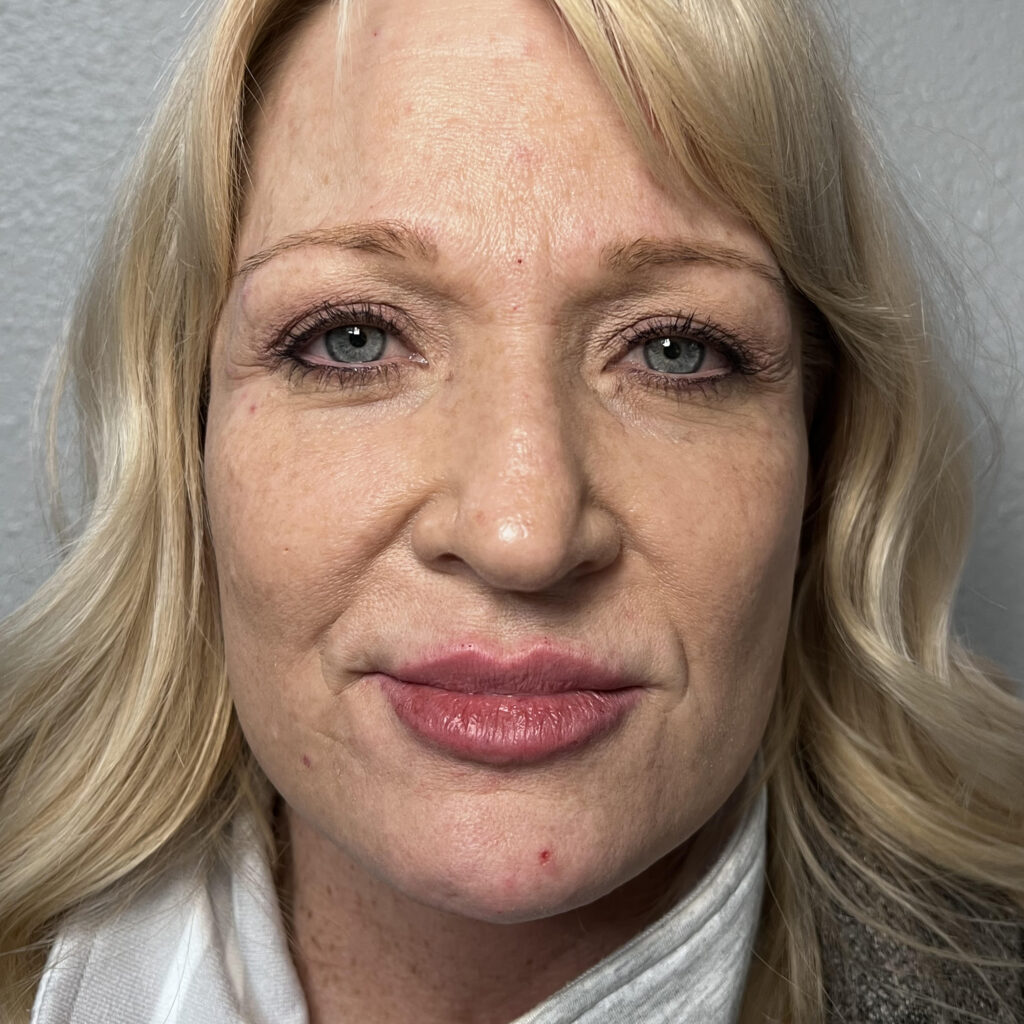
Dermal Fillers
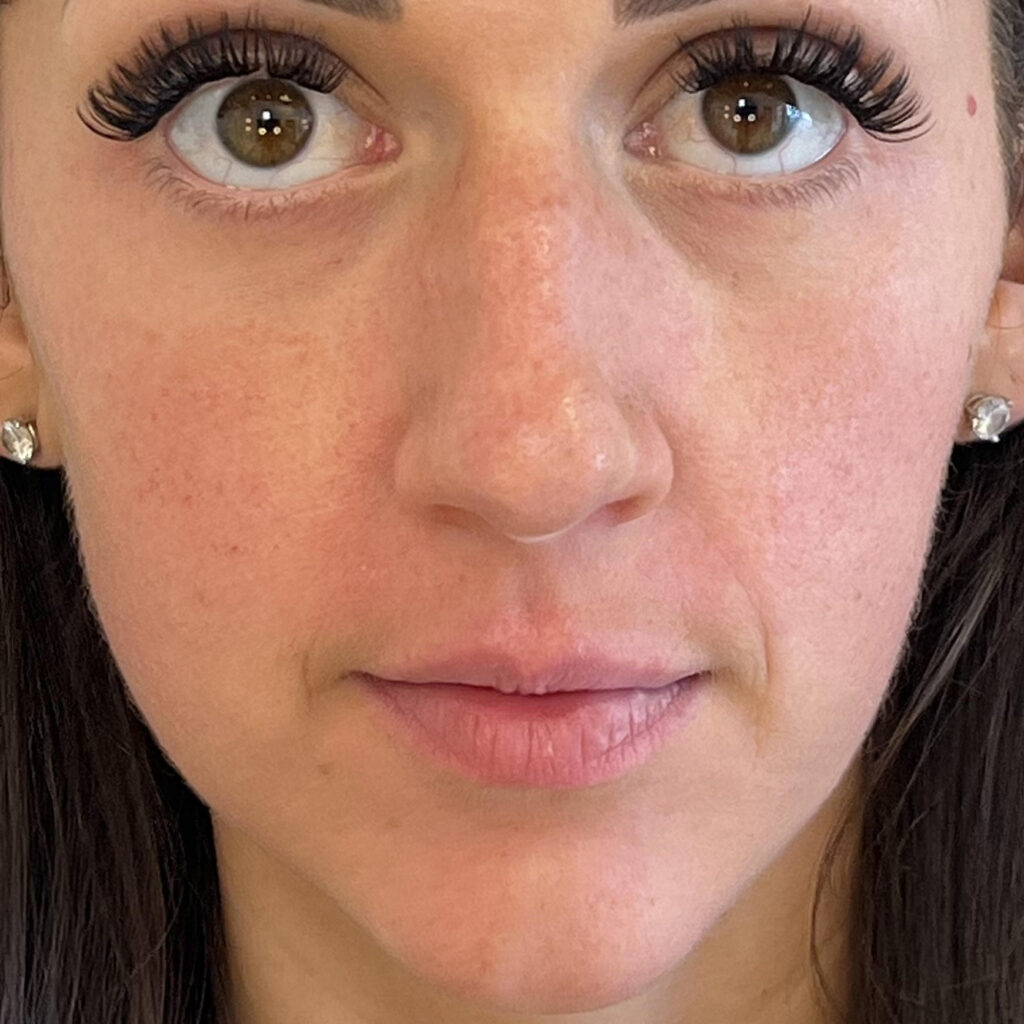
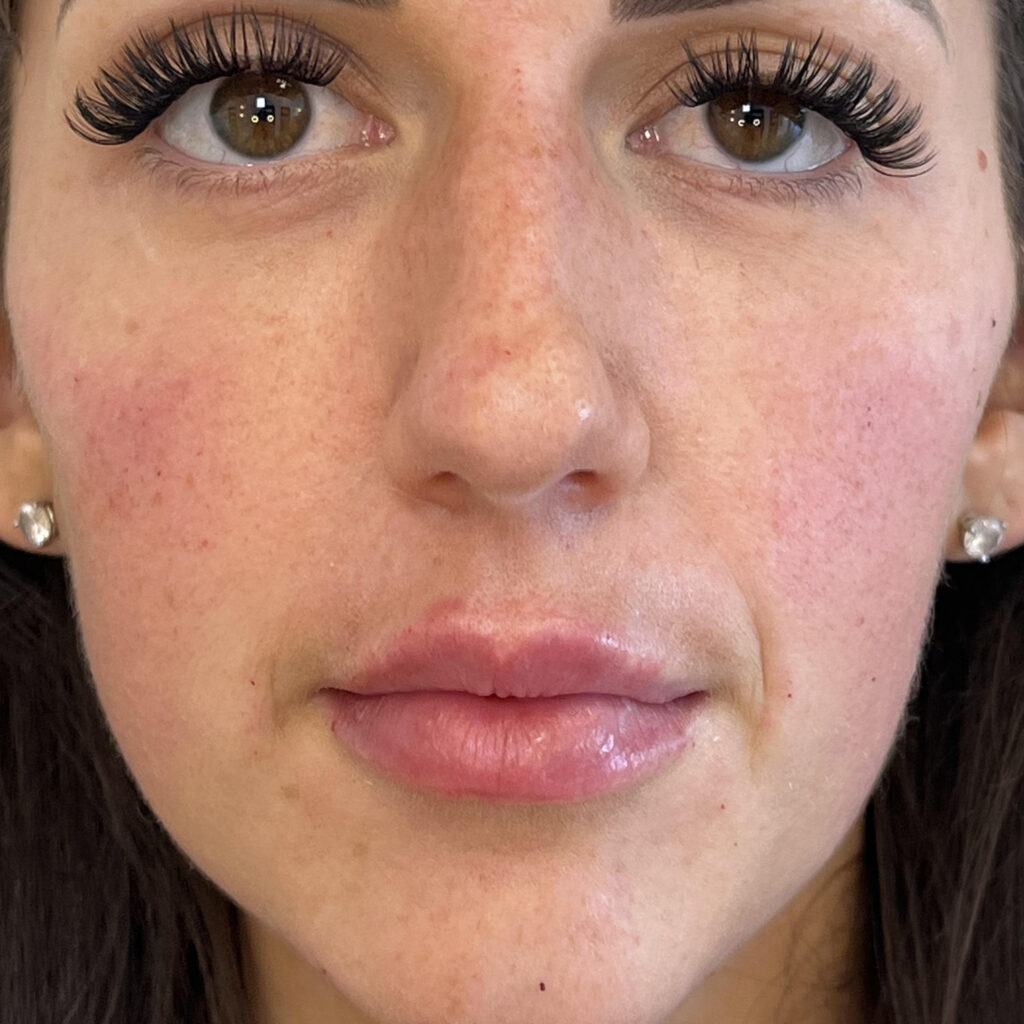
Dermal fillers are a popular non-surgical option for enhancing facial features and restoring a more youthful look. At Sunset Skin, we use premium hyaluronic acid fillers to add volume, smooth wrinkles, and refine facial contours.
These fillers are precisely placed in targeted areas to hydrate and plump the skin. Treatments are highly customizable, whether you’re looking for subtle enhancement or more defined results. Common areas include the lips for fullness, cheeks for lift and contour, and under the eyes to reduce hollowness. Results are visible right away and typically last 6 to 12 months, depending on the area treated.
Common Treatment Areas
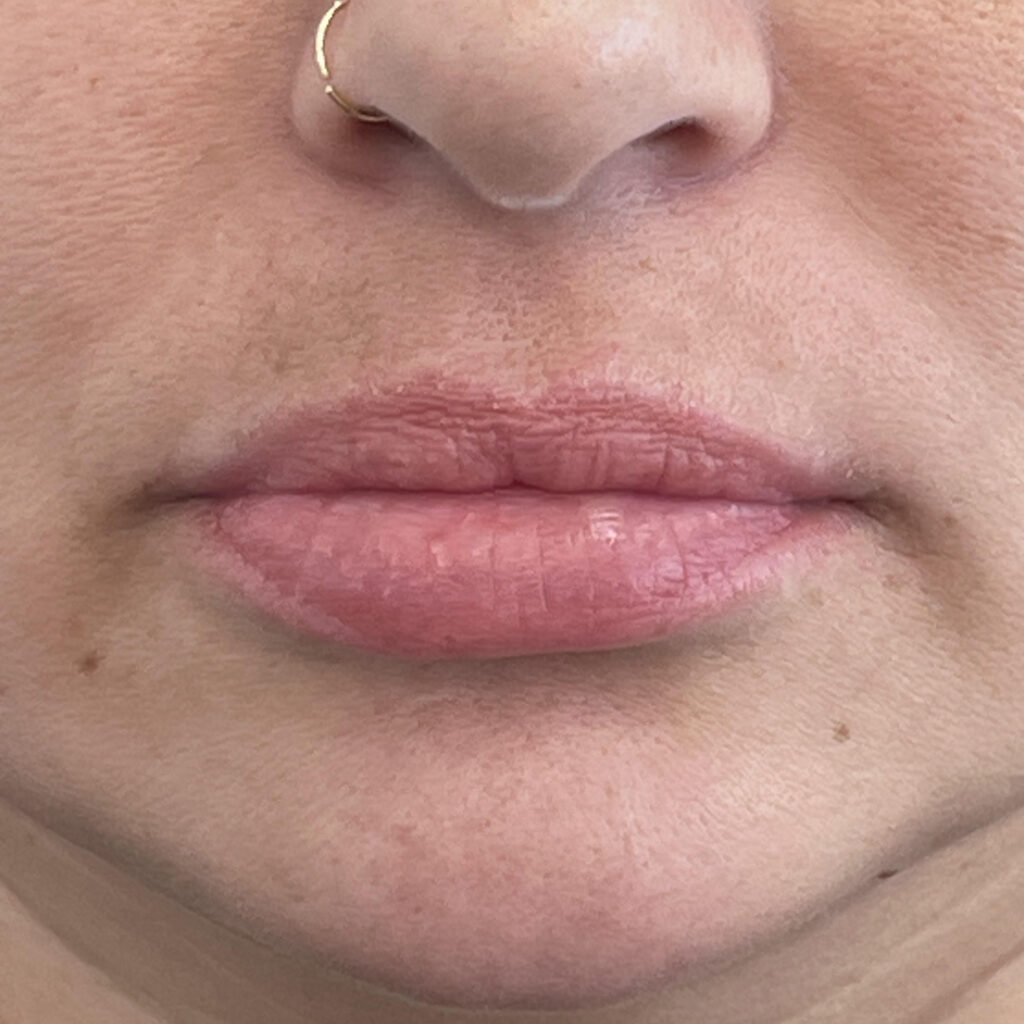
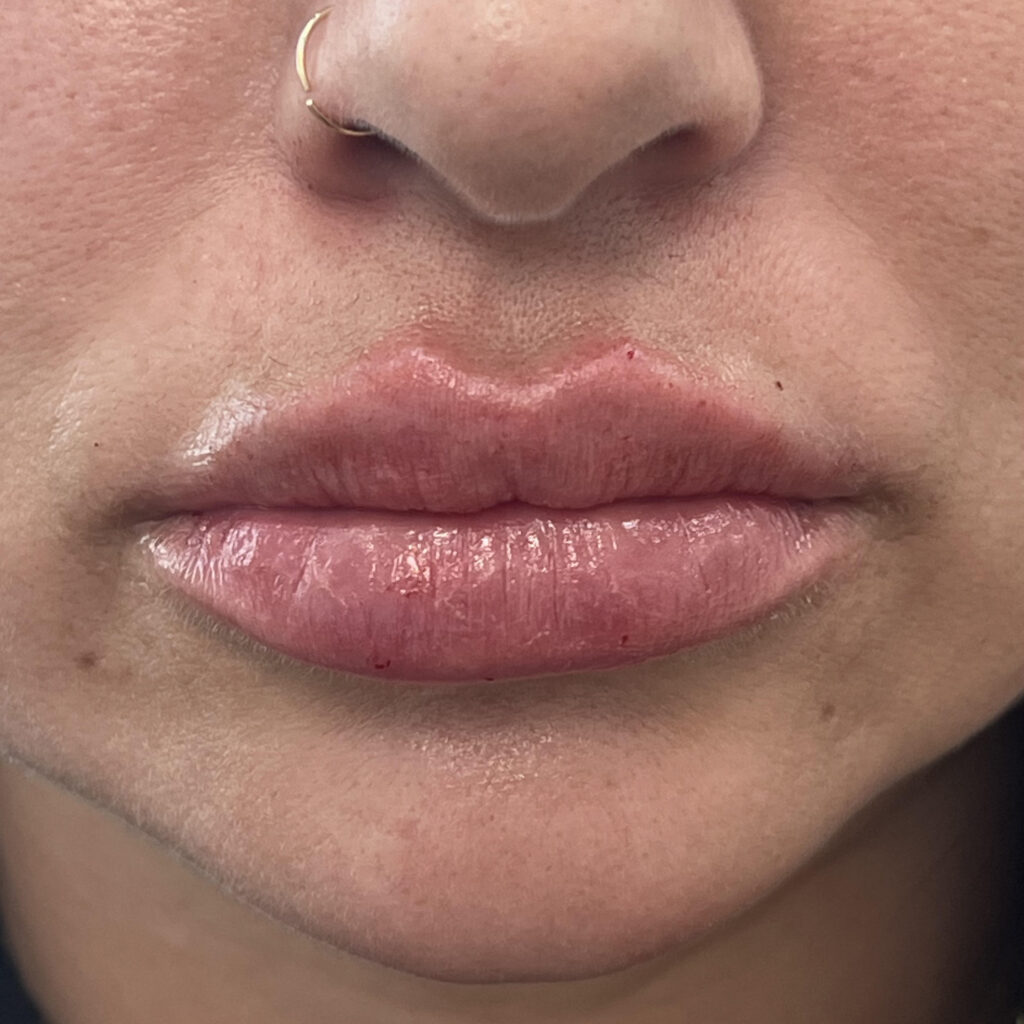
Lip Filler
- Dermal filler works by adding volume, hydration, and structure to the lips while enhancing shape, definition, and symmetry. Treatment can create anything from subtle lip hydration and border definition to fuller, more noticeable volume, depending on the patient's goals and natural anatomy.
- Results are visible immediately after treatment, with final results typically seen within 1–2 weeks as swelling subsides and the filler settles into the tissue. Common side effects may include temporary redness, swelling, bruising, tenderness, firmness, or asymmetry. Rare but serious risks include infection, vascular occlusion, tissue injury, or allergic reaction and require immediate medical attention.
- There is no FDA-approved dose for lip filler, as treatment is highly individualized. Commonly used fillers include hyaluronic acid products specifically designed for the lips, and treatment typically ranges from 0.5 to 1.0 mL per session, though more or less may be appropriate depending on the patient's anatomy and desired outcome.
- Treatment amount and injection sites may vary based on individual anatomy, lip structure, and aesthetic goals.
Cheek Filler
- Dermal filler works by restoring lost volume to the midface, enhancing cheek contour, and providing structural support that can improve facial balance and soften the appearance of lower-face folds. Treatment can create a more youthful, lifted appearance while maintaining natural-looking facial proportions.
- Results are visible immediately after treatment, with final results typically seen within 1–2 weeks as swelling resolves and the filler integrates into the surrounding tissue. Common side effects may include temporary redness, swelling, bruising, tenderness, firmness, or mild asymmetry. Rare but serious risks include infection, vascular occlusion, tissue injury, or vision changes, which require immediate medical attention.
- There is no FDA-approved "dose" for cheek filler, as treatment is customized based on facial anatomy, volume loss, and aesthetic goals. Commonly used fillers include hyaluronic acid products such as Juvéderm Voluma XC and Restylane Lyft, with treatment often ranging from 1–4 syringes or more depending on the desired outcome.
- Treatment amount and injection sites may vary based on individual anatomy, volume loss, and aesthetic goals.
Chin Filler
- Dermal filler works by adding structure, projection, and support to the chin, helping to improve facial balance and profile harmony. Treatment can enhance chin definition, improve a recessed chin, strengthen the lower face, and create a more proportionate relationship between the chin, lips, nose, and jawline.
- Results are visible immediately after treatment, with final results typically seen within 1–2 weeks as swelling resolves and the filler integrates into the tissue. Common side effects may include temporary redness, swelling, bruising, tenderness, firmness, or mild asymmetry. Rare but serious risks include infection, vascular occlusion, tissue injury, or vision changes and require immediate medical attention.
- There is no FDA-approved dose for chin filler, as treatment is customized based on facial anatomy, chin projection, and aesthetic goals. Commonly used fillers include hyaluronic acid products and calcium hydroxylapatite fillers, with treatment often ranging from 1–4 mL or more depending on the degree of enhancement desired.
- Treatment amount and injection sites may vary based on individual anatomy, chin structure, and aesthetic goals.
Tear Trough Filler (Under-Eye Filler)
- Dermal filler works by restoring volume beneath the eyes to reduce the appearance of hollowness, shadows, and under-eye bags. Treatment can create a smoother transition between the lower eyelid and cheek, resulting in a brighter, more rested, and refreshed appearance.
- Results are visible immediately after treatment, with final results typically seen within 1–2 weeks as swelling resolves and the filler settles into the tissue. Common side effects may include temporary redness, swelling, bruising, tenderness, or mild asymmetry. Rare but serious risks include prolonged swelling, the Tyndall effect (bluish discoloration), infection, vascular occlusion, tissue injury, or vision changes and require immediate medical attention.
- There is no FDA-approved dose for tear trough filler, as treatment is highly individualized and often requires a conservative approach. Treatment commonly ranges from 0.5–1.0 mL total, though more or less may be appropriate depending on the severity of volume loss and the patient's anatomy.
- Treatment amount and injection sites may vary based on individual anatomy, degree of volume loss, and aesthetic goals.
Temple Filler
- Dermal filler works by restoring volume to the temples, an area that commonly loses fat and structural support with age. Treatment can reduce hollowing, soften a gaunt appearance, improve facial balance, and create a smoother transition between the forehead, temples, and cheeks for a more youthful appearance.
- Results are visible immediately after treatment, with final results typically seen within 1–2 weeks as swelling resolves and the filler integrates into the surrounding tissue. Common side effects may include temporary redness, swelling, bruising, tenderness, firmness, or mild asymmetry. Rare but serious risks include infection, vascular occlusion, tissue injury, skin necrosis, or vision changes and require immediate medical attention.
- There is no FDA-approved dose for temple filler, as treatment is customized based on the degree of volume loss and individual anatomy. Treatment commonly ranges from 1–4 mL total, though more or less may be appropriate depending on the severity of temple hollowing and desired aesthetic outcome.
- Treatment amount and injection sites may vary based on individual anatomy, degree of volume loss, and aesthetic goals.
Jawline Filler
- Dermal filler works by adding structure, definition, and support along the jawline to enhance facial contours and improve overall facial balance. Treatment can create a sharper, more sculpted jawline, improve the appearance of jowls, and strengthen the profile for both men and women.
- Results are visible immediately after treatment, with final results typically seen within 1–2 weeks as swelling resolves and the filler integrates into the tissue. Common side effects may include temporary redness, swelling, bruising, tenderness, firmness, or mild asymmetry. Rare but serious risks include infection, vascular occlusion, tissue injury, skin necrosis, or vision changes and require immediate medical attention.
- There is no FDA-approved dose for jawline filler, as treatment is highly individualized and depends on facial anatomy, baseline definition, and aesthetic goals. Treatment commonly ranges from 2–8 mL or more, depending on the degree of contouring desired and whether the chin is treated simultaneously.
- Treatment amount and injection sites may vary based on individual anatomy, degree of volume loss, and aesthetic goals.
Your Filler Treatment Plan
- Book 2 weeks before events to allow for healing
- Avoid blood thinners and certain supplements as advised
- Skip alcohol, caffeine, nicotine, and niacin 24–48 hours before and after
- Inform your provider about cold sore history
- Not recommended during pregnancy or breastfeeding
- A numbing cream is used to keep you comfortable
- Mild redness is common; swelling can last a few days
- Results are visible right away and last about 6–12+ months
- Natural-looking results that enhance, not change your features
- Redness or sensitivity may last a few hours
- Bruising can occur; contact your provider if you notice unusual paleness
- Avoid touching or massaging treated areas unless instructed
- No makeup or strenuous activity for 24 hours
- Wait 2 weeks before facials, lasers, or dental work
- Avoid heat and sun exposure for 72 hours
Real Patient Results